There's a way of making documentaries where a crew arrives, films what it needs and leaves. It can make good television. People can tell when they're being visited, though, and they act accordingly.
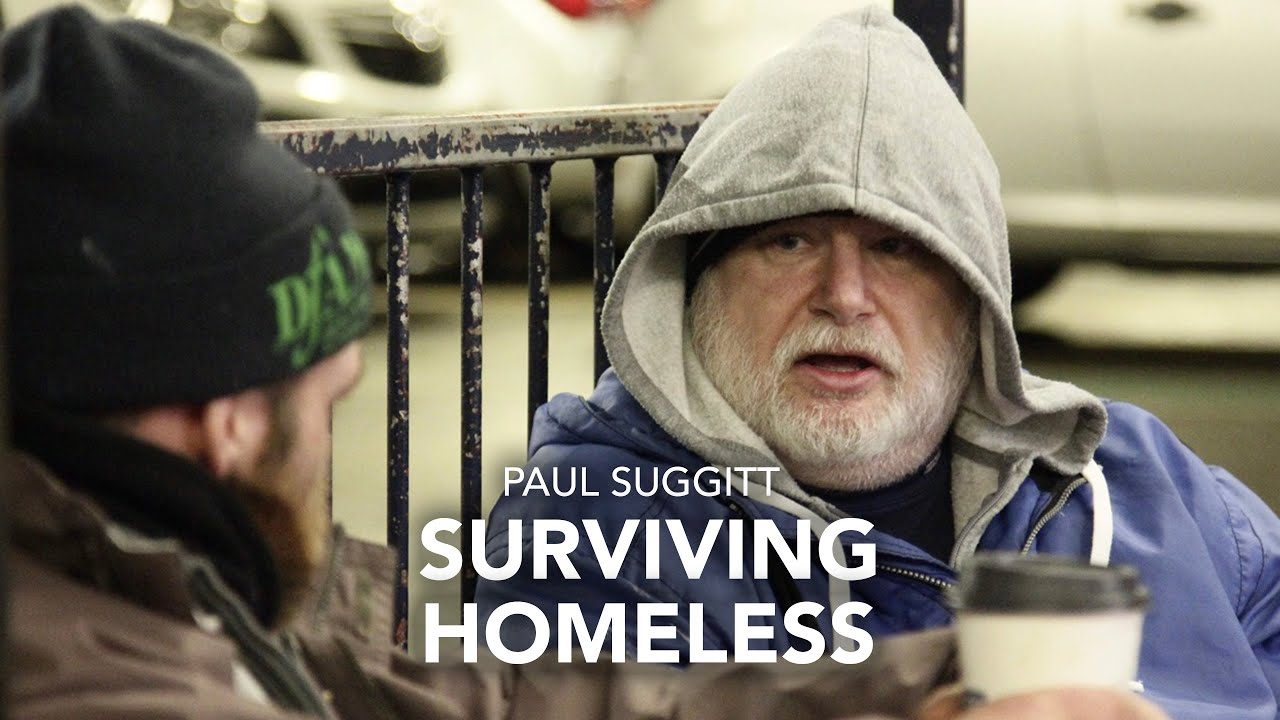
For Surviving Homeless I did it the other way. In 2021 I spent six weeks sleeping rough on the streets of Middlesbrough and Hartlepool, filming as I went.
Why then
Lockdown had emptied the town centres. The people who would normally stop and buy someone a coffee or a sandwich weren't around, and charities were reporting record numbers of people asking for food, clothes and a place to stay. I wanted to know what that was doing to the people already on the streets, and I didn't think I could find out from the outside.
What changed
People talked to me differently because I was in the same doorways. They weren't giving an interview to a filmmaker. I saw turf wars, violence between homeless people and towards them, and the way the public reacted. And I heard how people actually get through a day.
You can't ask someone to be honest on camera if you haven't been honest about why you're there.
Everyone in the film was given support to find accommodation away from the cameras. That mattered to me as much as the film did.
What happened next
The film won Best Documentary Feature and Best Director at Accord Cine Fest in May 2021, had a global gala screening at Tees Valley International Film Festival, and is now on YouTube, Tubi, Plex, Prime Video and Apple TV.
Not every film needs the director to live it. But every film needs time with the people in it before the shoot, and someone who'll look after them in the edit. If you're thinking about commissioning a documentary, ask how the director plans to earn that trust.