Most people who get in touch about a documentary have never commissioned one before. They have a story, a brand or a cause, and a feeling it would make a good film. That's the right place to start. Here's how it works, from the first conversation to the day the film goes out.
1. Start with the story
Before anyone talks about running times or platforms, be clear on three things: what happened, who it happened to, and why someone outside your world should care. If you can say that in two sentences, you have the spine of a film. If you can't yet, that's what the first call is for.
It also helps to know who the audience is. A film for a broadcaster, a streaming platform and a brand's own channels are made differently, even when the story is the same.
2. Access
A documentary is only as good as the people who agree to be in it. The first real question is whether the people at the centre of the story will talk on camera, honestly, and whether they understand what being filmed involves.
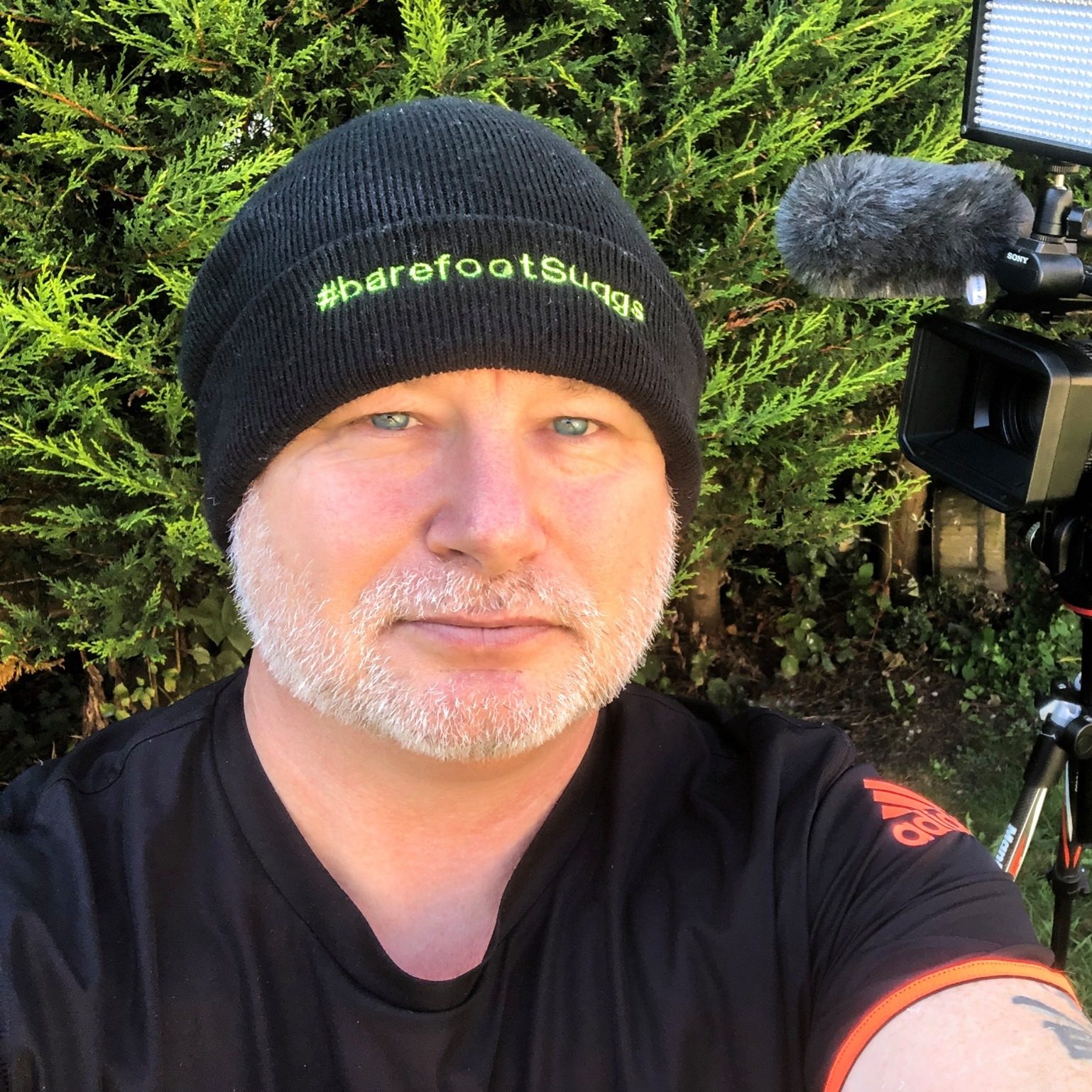
This is where I spend most of my time. For Surviving Homeless I lived on the streets of Middlesbrough and Hartlepool for six weeks, because there was no other way to earn the trust of the people I wanted to film. Most projects don't need that, but they all need time.
3. The treatment
With the story and access in place, the director writes a treatment: a short document setting out the angle, the main characters, how it will look and sound, the structure and a rough schedule. Broadcasters and platforms read it to decide whether to commission, and it keeps everyone on the same page once production starts.
4. Budget and schedule
Every documentary is different, so be wary of anyone who quotes before they understand the story. Cost depends on the length of the shoot, the number of locations, travel, archive footage, and how many versions you need at the end. A good director will tell you what's realistic and where the money shows on screen.
5. Production
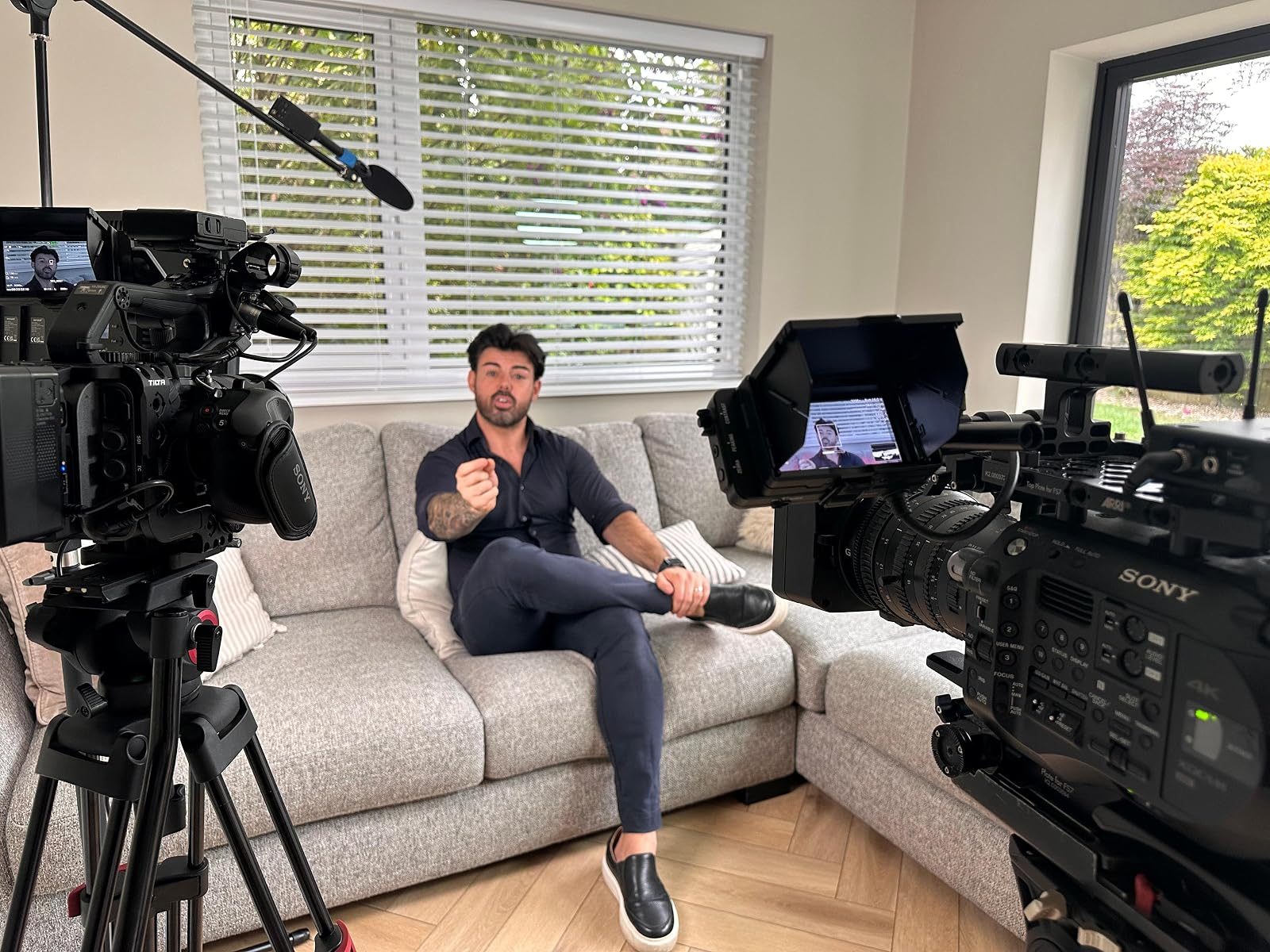
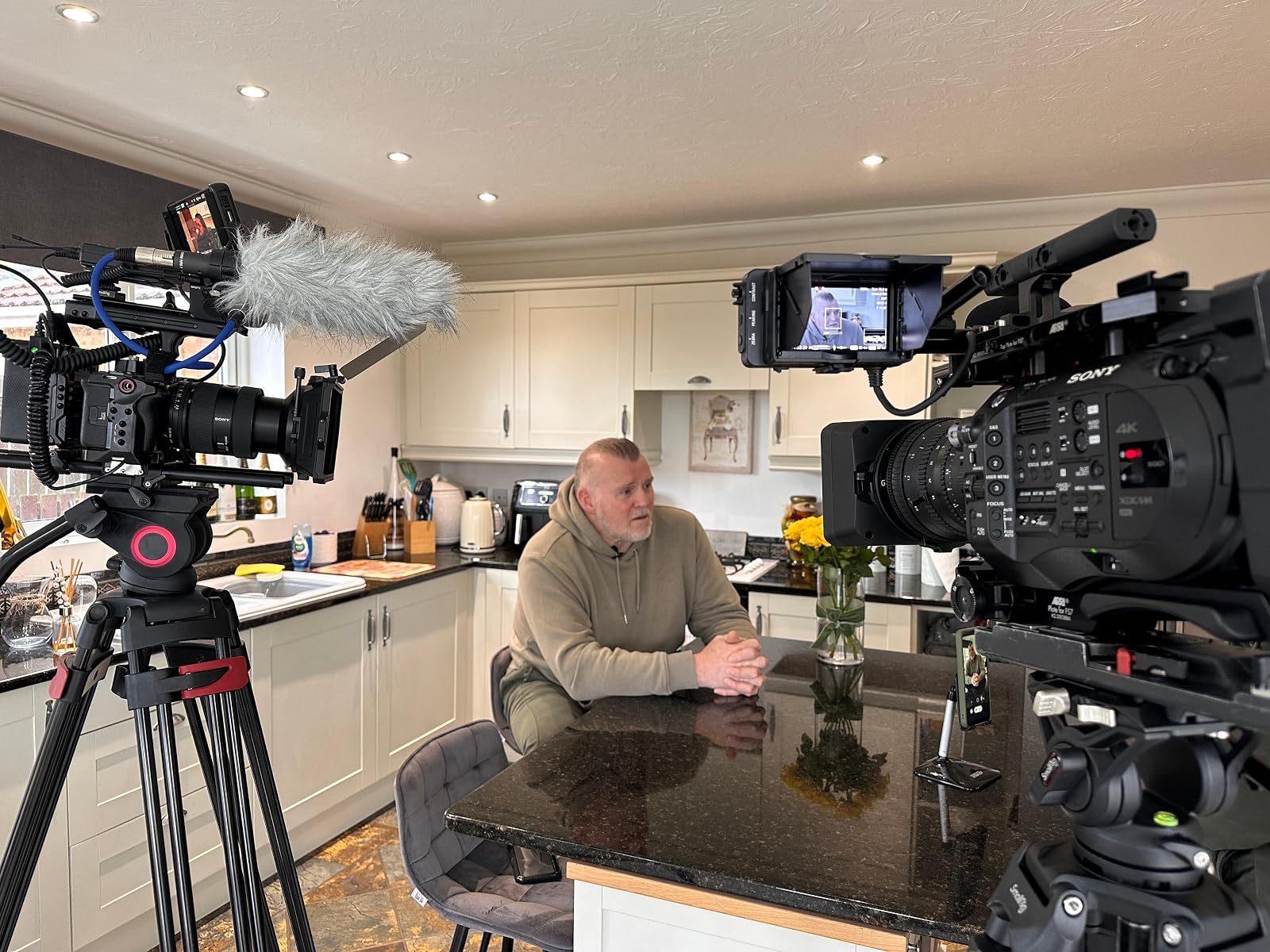
The shoot can be a full crew on a planned schedule, or one person with a camera following events as they happen. Most of my documentaries are both: planned interviews alongside observational filming that goes where the story goes.
6. The edit and delivery
The edit is where a documentary is really written. Expect a rough cut, a fine cut and agreed rounds of feedback, then the grade, sound mix, music and captions. You'll get the masters you need for wherever the film is going: broadcast, streaming, festivals, online and social.
Questions to ask any director
- What have you made that's closest to this, and where can I watch it?
- How would you get access to the people at the centre of it?
- Who will be on the crew, and who will be in the edit?
- How many review rounds are included?
- Who owns the footage and the finished film?
- Where do you see this film being watched, and how would it get there?
If you've got a story and you're not sure whether it's a film yet, send me a few lines.