Cold doesn't usually break a camera. It breaks the battery first, then the lens fogs, then the person holding it stops thinking straight. If you plan for those three things in that order, you'll come home with the shots.
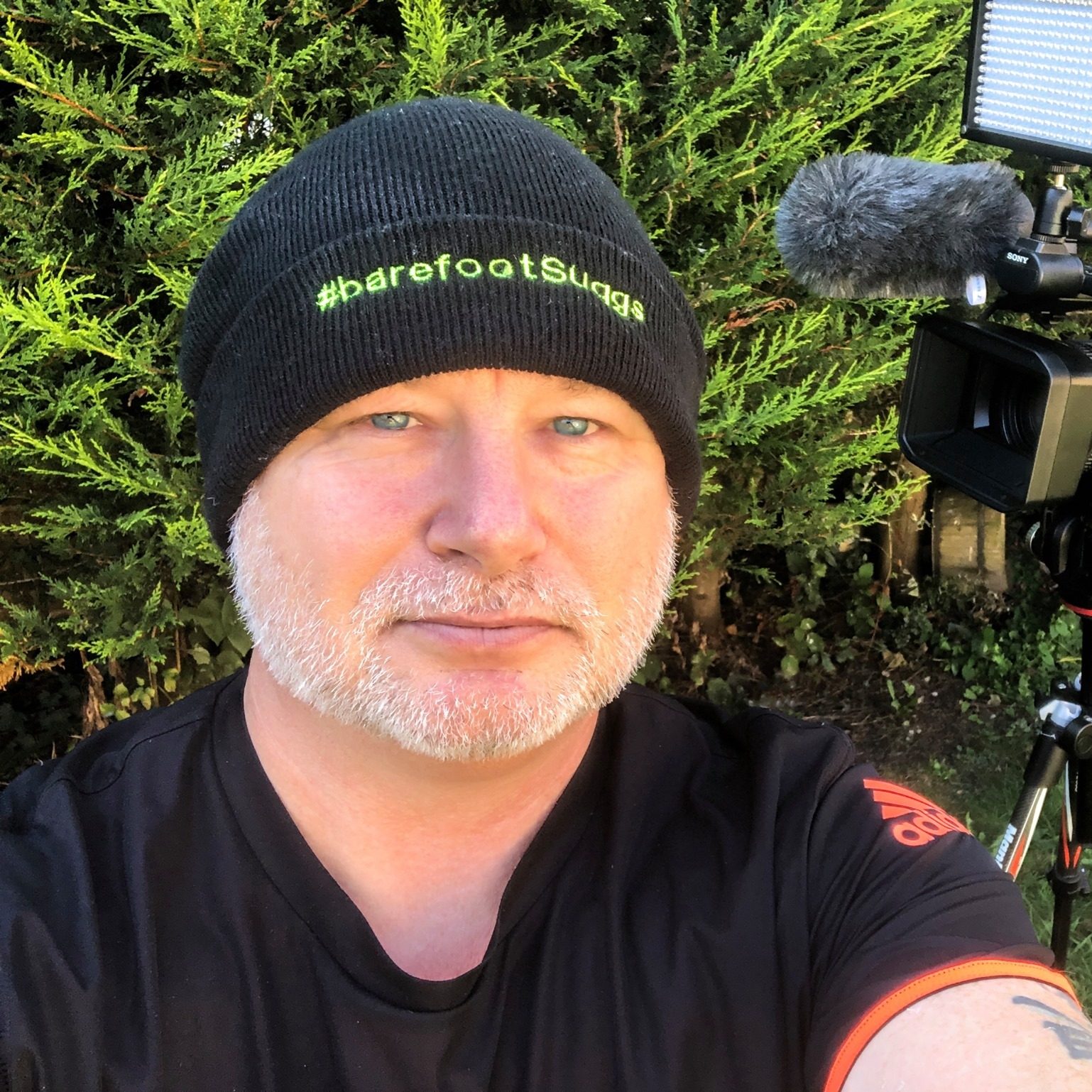
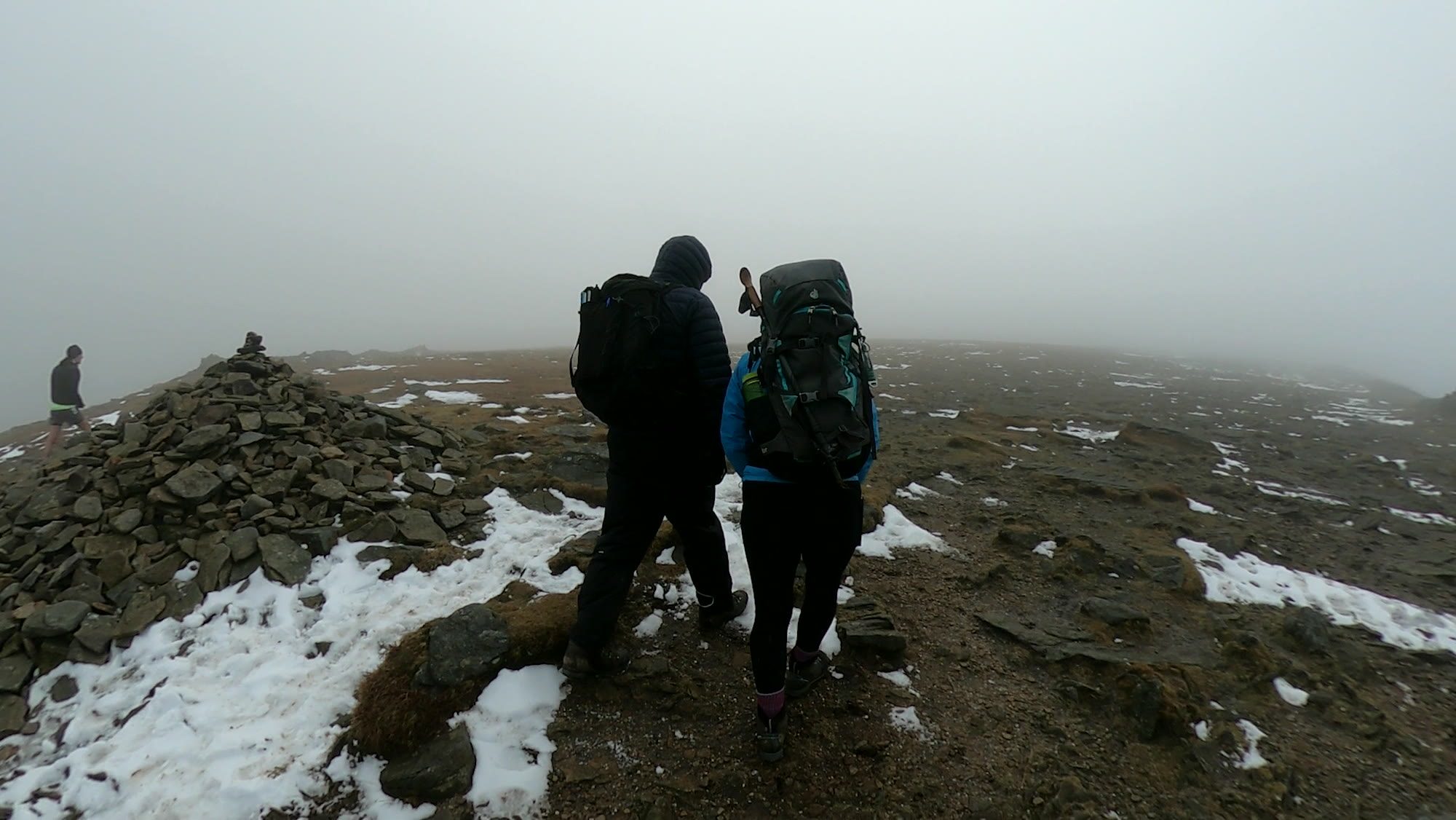
I've filmed in extreme cold as well as extreme heat, on mountains, underground and out in the wilderness, and the kit that fails is almost never the expensive bit. It's the small, boring things nobody planned for. This is what I'd tell any crew heading somewhere freezing.
Why do batteries die so fast in the cold?
Because the chemistry inside a lithium battery slows down as it cools. DJI puts it plainly: cold temperatures decrease the chemical activity within batteries, and batteries drain faster as a result. Its enterprise team goes further, explaining that below 15°C a battery's internal resistance rises, which cuts its discharge capacity and increases voltage drop.
In practice that means a battery that shows plenty of charge at the bottom of the hill can drop off a cliff at the top. The numbers on the screen stop being trustworthy, so you have to carry more spares than you think and treat every reading with suspicion.
- Keep spares warm. Batteries travel in an inside pocket, close to your body, never in the outside lid of a rucksack.
- Swap early. Change a battery while it still has something left, not when the camera shuts down in the middle of the moment you came for.
- Rotate them. A cold battery that has been warmed back up in a pocket will often give you a bit more.
How do you keep a drone flying below freezing?
Very carefully, and sometimes not at all. DJI's own consumer advice says not to fly in temperatures below 0°C, and gives a battery operating range of minus 10°C to 40°C. When it's below 5°C, it says the battery should be warmed in advance to above 20°C, using a battery heater if your drone has one.
Two more bits of DJI guidance are worth building into every cold flight. Hover for about a minute after take off so the battery can warm up, and keep stick movements gentle so the voltage doesn't sag. The enterprise guidance adds the one that matters most to me: reserve more battery for the return home than you would on a normal day, because flying on a low battery in the cold raises the risk of a sudden power failure.
The drone shot is never worth the drone. If the battery is cold and the wind is up, land it and film the moment on the ground.
Always check the manual for your own drone and battery, because the limits change from model to model. And whatever the kit says, the rules on where and how you fly still apply, cold or not.
Why does my lens fog when I come inside?
Because warm, damp air hits cold glass and metal and turns to water. Sony's help guide warns that if a camera goes straight from a cold place to a warm one, moisture can condense inside or outside it and cause a malfunction. Its fix is simple: put the camera in a plastic bag and seal it before you go inside, then take it out once the air in the bag has reached room temperature, after about an hour.
If you get caught out, Sony's advice is to switch the camera off and wait about an hour for the moisture to go. DJI says the same thing happens to drones, with condensation forming on the battery and lens when you walk into a warm room, and advises you to wipe and dry the aircraft promptly.
On a long shoot this changes how you finish the day. Bag everything before you walk into the hut, the tent or the van, and leave it bagged while you eat. It feels slow. It's a lot quicker than losing a day to a fogged sensor.
Do action cameras cope better?
Some are built for it, but they still need looking after. GoPro sells an Enduro battery that it says improves cold weather performance over its standard batteries in temperatures down to minus 10°C. That's a useful upgrade if you're mounting cameras on people, kit or vehicles in the cold, but it isn't magic, and the same rules about spares and condensation still apply.
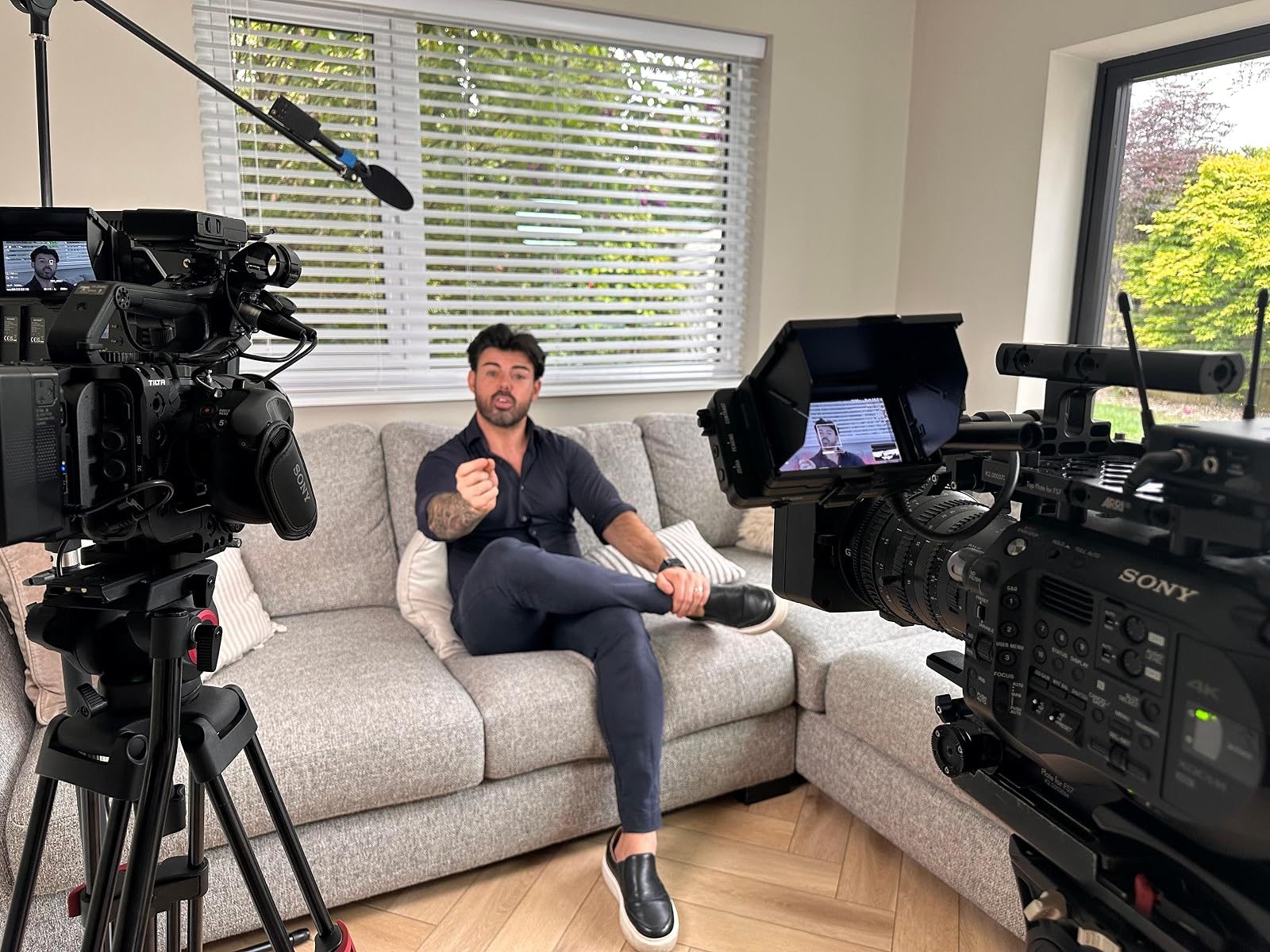
I self-shoot on Sony cameras, DJI and GoPro action cameras and DJI drones, and the cold treats them all the same way. Small cameras have small batteries, so they run out first. Carry more of them than feels sensible.
Looking after the crew, not just the kit
The camera is the easy part. A cold person makes bad decisions, fumbles settings, forgets to press record and stops noticing what's happening in front of them. On a remote shoot that's how small mistakes turn into big ones.
The NHS says you can get frostbite when skin is exposed to 0°C or below, and that early signs include skin that's cold and firm, numb, or stinging and burning. Fingers on a camera are right in the firing line. Its hypothermia page lists shivering, slurred speech, slow breathing, tiredness and confusion among the symptoms and treats it as a medical emergency.
So on a cold shoot I watch the people as closely as the shot. None of this is health advice: if you're planning a shoot somewhere freezing, read the NHS guidance properly and build the cold into your risk assessment.
- Thin liner gloves under warm mitts, so you can work the camera without taking everything off.
- Plan the shots before you stop, so nobody stands still in the wind longer than they need to.
- Eat and drink on a schedule, not when someone remembers.
What I'd pack for a freezing shoot
None of this needs specialist kit, just discipline:
- Twice the batteries you think you need, kept warm and labelled so you know which are flat.
- Sealable plastic bags for every camera, lens and drone.
- Lens cloths that stay dry, in a pocket, not the bag.
- A battery heater for the drone if it has one.
- Spare memory cards, because changing a card is quicker than fixing one with numb fingers.
- Kit you can work in gloves, set up and tested before you leave.
Cold places give you some of the best pictures you'll ever film, and it shows on screen when a crew can keep working while everyone else wants to go home. I've written more about filming in hard places in Filming underground.
If you've got an expedition or cold-weather shoot coming up and need a director, self-shooter or drone operator who can keep going when it's freezing, have a look at my expedition and adventure work or get in touch.